
Beyond Pancakes
Written by: Cathy Molitor, naturalist
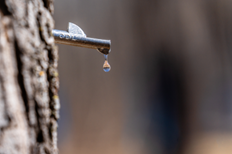
This time of year, as days warm but nights stay cool, something magical happens in the sugarbush. Sap begins to flow clear, slightly sweet, and full of possibility. Most of us know where that journey ends: golden maple syrup cascading over pancakes. Long before syrup bottles lined grocery store shelves, it was sap flowing through the trees. Both sap and syrup have a rich history of creative and sometimes unexpected uses.
Maple sap from a sugar maple is mostly water about 98%. The remaining 2% is a mix of sugars, minerals, and trace nutrients the tree stored in its roots over winter. When boiled down, it transforms into syrup, concentrating those sugars into the amber sweetness we love. It takes about 40 gallons of sap to make one gallon of syrup. Which means every drop of syrup carries a whole lot of tree power.
Fresh sap can be enjoyed just as it comes from the tree. It tastes like lightly sweetened water with a hint of freshness. Historically, Indigenous peoples of North America drank sap as a seasonal tonic. Today, some companies even bottle it as “maple water.”
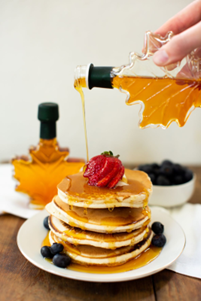
Yes, syrup belongs on pancakes and in sweet treats like cookies, but that’s only the beginning. Syrup can be used as a glaze for roasted vegetables, marinades for meats, salad dressings, coffee and tea sweetener… the possibilities stretch far beyond the breakfast table.
Try adding maple syrup to some of your favorite savory dishes and see how it gives more depth of flavor. Stir it into chili for subtle richness, mix with mustard for a quick dipping sauce. That touch of sweetness enhances spice and salt in remarkable ways.
If you’ve never had maple cream (sometimes called maple butter), imagine the flavor of maple syrup transformed into a silky, spreadable cloud. Just maple syrup in a different form, with more water removed, but not enough to make it straight maple sugar. What can you do with it? Spread it on: toast, English muffins, biscuits, apple slices, or swirl it into oatmeal, frost cinnamon rolls, or eat it straight from the spoon (no judgment here).
It’s not just humans that enjoy this sweet elixir. As temperatures fluctuate, sap sometimes leaks from broken branches or woodpecker holes. So you can see squirrels, birds, and insects may take advantage of this early-season energy boost.

From nearly clear sap running quietly through a sugar maple to thick syrup in a bottle, maple season is a story of transformation. It reminds us that even in the lingering chill of late winter, the trees are already preparing for spring. What begins as watery sap becomes syrup, a jar of maple cream, a glaze for dinner, or a spoonful stirred into morning coffee. It sweetens our tables, fuels wildlife in the woods, and connects us to traditions that stretch back generations. So the next time you drizzle syrup over pancakes, remember you’re tasting the forest in transition. You’re tasting freeze and thaw. You’re tasting patience, sunlight, and the quiet work of a tree waking up. And that’s far sweeter than breakfast alone.
Check out some of these fun, non-breakfast recipes that all include maple syrup as an ingredient. Maple Recipes