
Creature Feature: 10/10
Written by: Zachary Mork, naturalist guide at JNC
Welcome to the last edition of Creature Feature for 2025! This particular year for this series has been special, due to dedicating the entire year, month by month, uncovering the name origins behind all twelve months of the calendar, and connecting them to creatures found in nature. WIth it being December, we are now down to our final month. Before we dive into this month, let us do a brief review to highlight the year so far:
January - Named from Janus, Roman god of beginnings, transitions, and endings.
February - From Februa, a Roman festival about purification.
March - Named from Mars, the Roman god of war.
April - From the Latin word aperire, meaning ‘to open’, as in flowers.
May - Named from Maia, a Greek and Roman goddess of fields, growth, and nourishment.
June - Named from Juno, Roman goddess of marriage and childbirth.
July - Named after Julius Caesar, Roman general and dictator.
August - Named after Augustus Caesar, founder of the Roman Empire.
September - From Latin septem (seven), meaning the seventh month of the year.
October - From Latin octo (eight), meaning the eighth month of the year.
November - From Latin novem (nine), meaning the ninth month of the year.
If you noticed a pattern with the last three months, you may be able to take a fair guess as to what the last month of December means. Indeed, Decem is the Latin word for ‘ten’, as it was the tenth month of the Roman calendar before its expansion. Coincidentally, the animal kingdom has a group known as decapods - animals that have ten legs. Rounding out the year, we will be highlighting a few examples of these ten legged creatures.
Crayfish
Starting off this list with a Michigan-native example, crayfish look like miniature lobsters, which is understandable, as the two crustaceans are close relatives to each other. Some people may use “crawfish” or “crawdad” as other alternative names for “crayfish”, but the creature itself remains the same. There are ten confirmed species of crayfish within the state of Michigan, but over 600 species found throughout the world. Described as omnivorous scavengers, crayfish tend to crawl around the bottom of a water body, such as a lake or stream, and sort through mud and sediment, feeding on any bits of plant and animal remains that it comes across in the process. Some species are known to create and spend much of their lives underground in burrows, which they make by digging tunnels near the banks of a water source. These burrows are important not only for the survival of the crayfish species, but also for aerating the soil, and providing refuge for other organisms, such as amphibians and reptiles.
Shrimp
‘Shrimp’, as a name itself, has the tendency of being a reference to several small crustacean species that all look similar to each other. For example, there is a crustacean known as a prawn, and they look very similar to true shrimp species. However, in reality they are the most distant cousins to any other decapod when following the evolutionary timeline of the animal kingdom. Despite this, it may take a seafood connoisseur to tell which tail belonged to which if they were served together on a platter.
Returning to the true shrimp group, they are found all around the world in both fresh and salt water environments, though most species are marine. Depending on the species, they can be omnivores, filter feeders, or consumers of algae, any of which aids in providing a healthy aquatic ecosystem. After hatching, a crustacean such as a shrimp will undergo several larval stages, moulting (shedding) their exoskeleton between the stages. One of the stages is known as the zoea stage, in which at this size their diet focus on plankton prior to adulthood.
Crab
Like shrimp, crabs are another general name for several creatures that share similarities to one another, yet also have key differences. You may have heard of the ‘horseshoe crab’, for example. The only trouble is that they are not crabs. Not even crustaceans! So what makes a crab, a crab? Think of them as a walking/crawling ten-legged creature that possesses mouthparts known as mandibles for feeding. Lobsters and crayfish are close-ish cousins to crabs, but crabs do not have the tail-like abdomen that the other two possess.
Due to the placement of their legs, crabs walk different ways depending on the species. While a hermit crab may move forward, other crab species move more efficiently by walking sideways. Like many other crustaceans mentioned, they are omnivorous, and dwell in both fresh and salt water environments. The crab's shell is thick, and composed of a substance called chitin, while its underside contains gills that it uses for obtaining oxygen.
Whether you are a returning reader or are new to this series, thank you for following along on this year-long series! I had a lot of fun discovering new fun facts about both the human world, and the natural world, and I am looking forward to what the next year will bring.
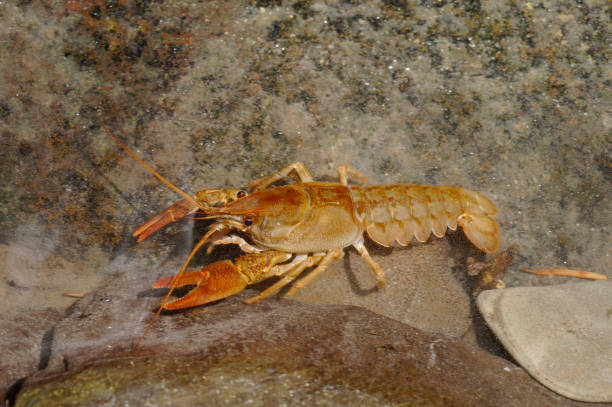
Freshwater crayfish species
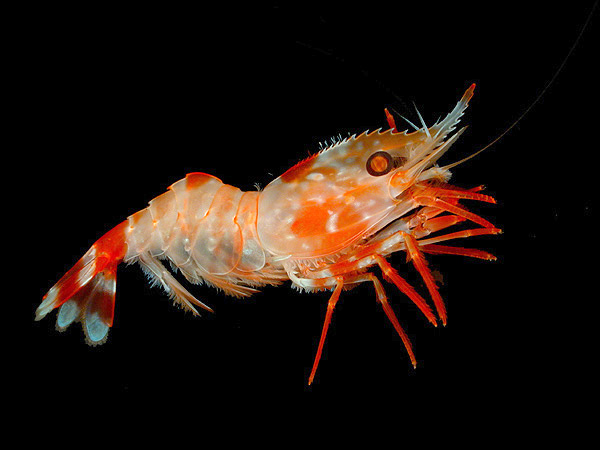
Shrimp species
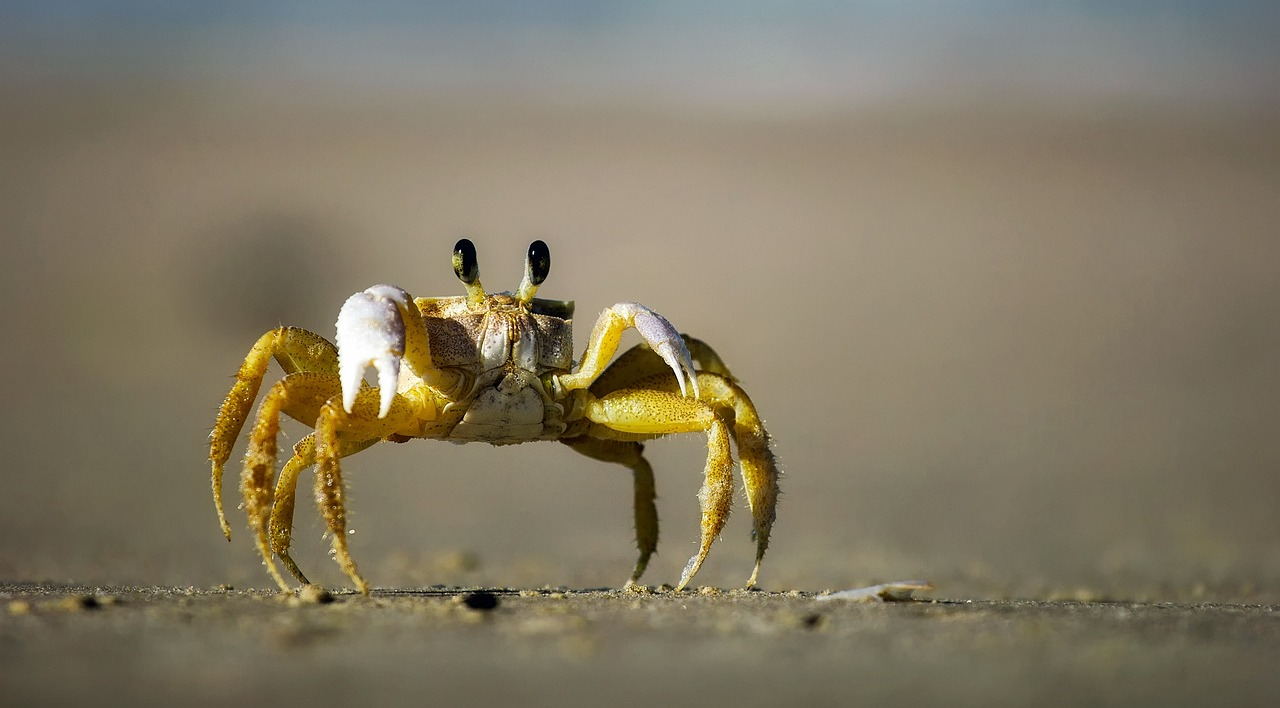
Crab species